








Agents that plan, call scoped tools and finish multi-step work in your systems, with human approval where it matters.
\0.1
 Agents for real operations
Agents that plan, use tools and act inside your systems, with scoped access, human sign-off and monitoring.
 Scroll to explore
Agents are easy to demo and hard to run. They need scoped tools, a queue, evals, traces and a human checkpoint. We design and run that whole system, not only the prompt.
Agents that plan, call scoped tools and finish multi-step work in your systems, with human approval where it matters.
Your APIs, databases and documents exposed to agents as scoped, permissioned tools, including over MCP.
Specialist agents with explicit hand-offs and retries, coordinated by event-driven workflows.
Approval steps, permissions and test sets, so people stay in control of what agents do.
Logs, traces and alerts on every run, so you can see what each agent did.
Python and Rust services, Kafka, Kubernetes and Terraform, plus private hosting of open models where data must stay in.
We take traditional organizations agent-first: train your people, set up a company knowledge base, and hand communication and development work to agents.

Our platform to host, fine-tune and call AI models through one API, with GPU workers that scale to zero.
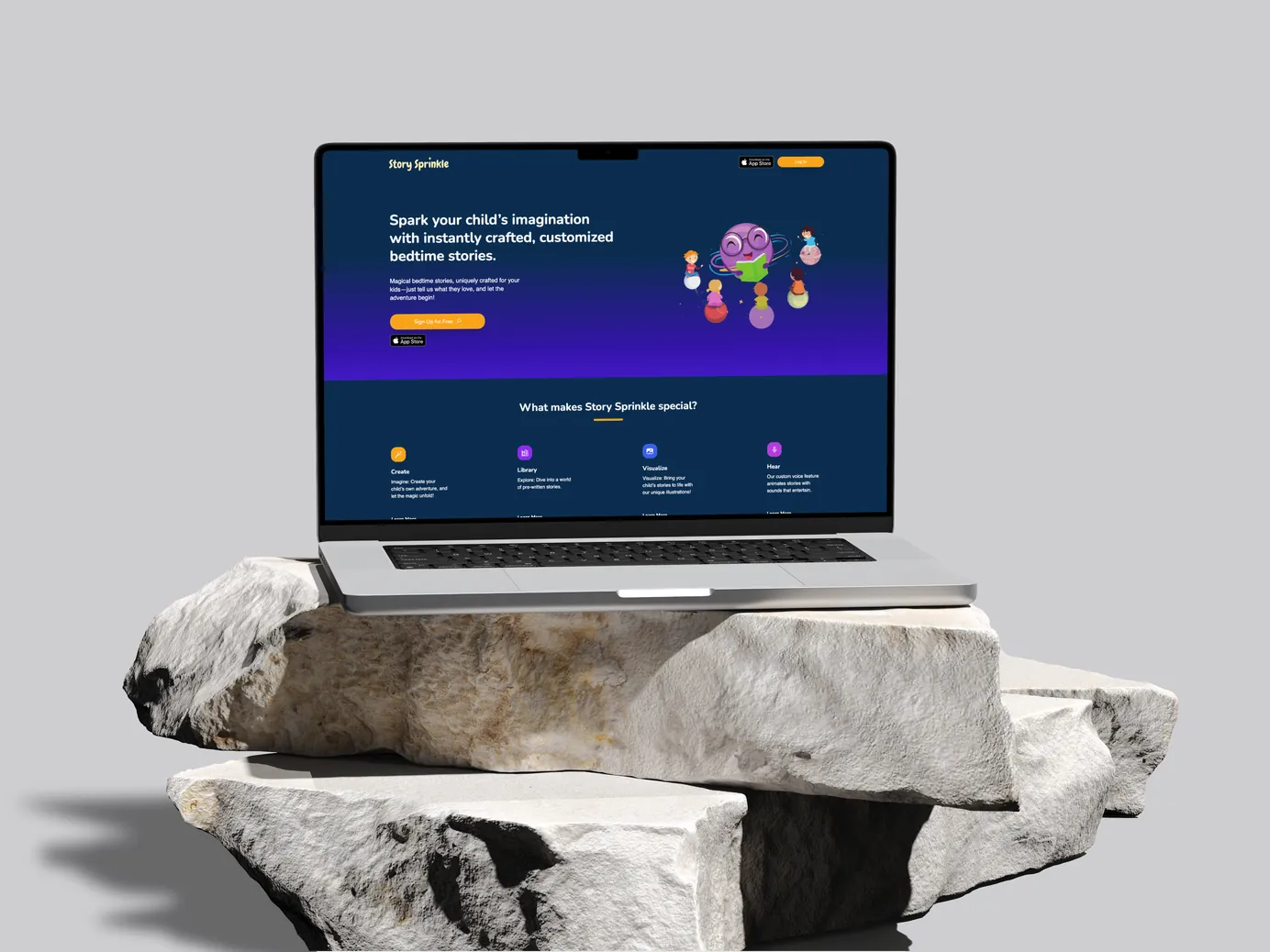
Personalized children's stories with characters, narration and images. Live on the App Store.
Principles we apply to every agent system.


Each agent gets only the tools and data its job needs.

People approve the actions that carry risk.

Test sets and reviews measure behavior before an agent gets more autonomy.

Agent jobs as events: decoupled, replayable, retried when a step fails.

Every run is logged, traced and open to alerting.
Agents write code, open pull requests and run deploys. An engineer signs off.

Terraform, Helm and ArgoCD make every environment repeatable.
You work directly with the architect who designs and builds your system. We start from one process, agree how success is measured, and keep scope small.
 Direct access to the architectSuccess measures agreed up frontHuman approval built inAgent-first: code, Git and deploysDocumentation and handoverWorks on AWS, Azure or DigitalOcean
Same engineering discipline, whatever the starting point.

Go agent-first: train your people, set up a shared knowledge base and put agents into daily work.
Plan the transformation
Get a senior architect and a working agent without hiring a platform team.
Start a conversation
Solution Architect and AI Product Builder
Elkhan designs and builds the systems behind your agents, from Python and Rust services and Kafka event streams to Kubernetes and Terraform. He also builds and runs AI products of his own, so the advice comes from operating them.

Handle repeatable work such as triaging requests, drafting replies, checking records and updating systems, within permissions you define. Anything risky goes to a person for approval.
Yes. Agents can read your documents, tickets and databases through scoped connections, using vector search where it fits. Access is limited to what each task needs.
Narrow permissions, approval steps for risky actions, test sets run before and after changes, and a log of every run. You can see what happened and step in at any point.
We agree a baseline and success measures before building, such as time per task or share handled without rework, then report against them once the agent is live.
Yes. We host open-source models privately on Kubernetes GPU nodes and can fine-tune them. Licences are checked per model, and we will say so when a hosted model is the better choice.
Yes. We start with one team: train people to work with agents, set up a shared company knowledge base, put agents into everyday communication and delegate development tasks to coding agents under review. Then we roll out what worked, team by team, with clear rules on access and approval.
 GitHub
 Email
 Schedule a Call